2026. 7. 10. 09:56ㆍ자산관리
Hello there.
Today's post continues our asset management series, this time covering the basics of cryptocurrency.
"Bitcoin, altcoins, stablecoins — do you actually know what sets them apart?"
Crypto shows up in the news constantly, and names like Bitcoin and Ethereum feel familiar. But ask someone to explain the actual differences, and things get fuzzy fast. Let's break down the fundamentals.
Cryptocurrency is a digital asset issued and transacted on blockchain, a distributed ledger technology. Instead of a central bank or single institution managing issuance, a network of computers jointly verifies and records every transaction.
Coins generally fall into three categories: Bitcoin, the largest by market cap; altcoins, a catch-all term for everything else; and stablecoins, which peg their value to an asset like the US dollar to keep price swings small.

Bitcoin's defining feature is its hard-capped supply of 21 million coins. As that cap approaches, an event called "halving" occurs roughly every four years, cutting the reward miners receive for validating blocks in half.
The reward dropped from 25 BTC in 2012 to 12.5 BTC in 2016, then 6.25 BTC in 2020, and 3.125 BTC after the April 2024 halving. The next halving is expected around 2028.
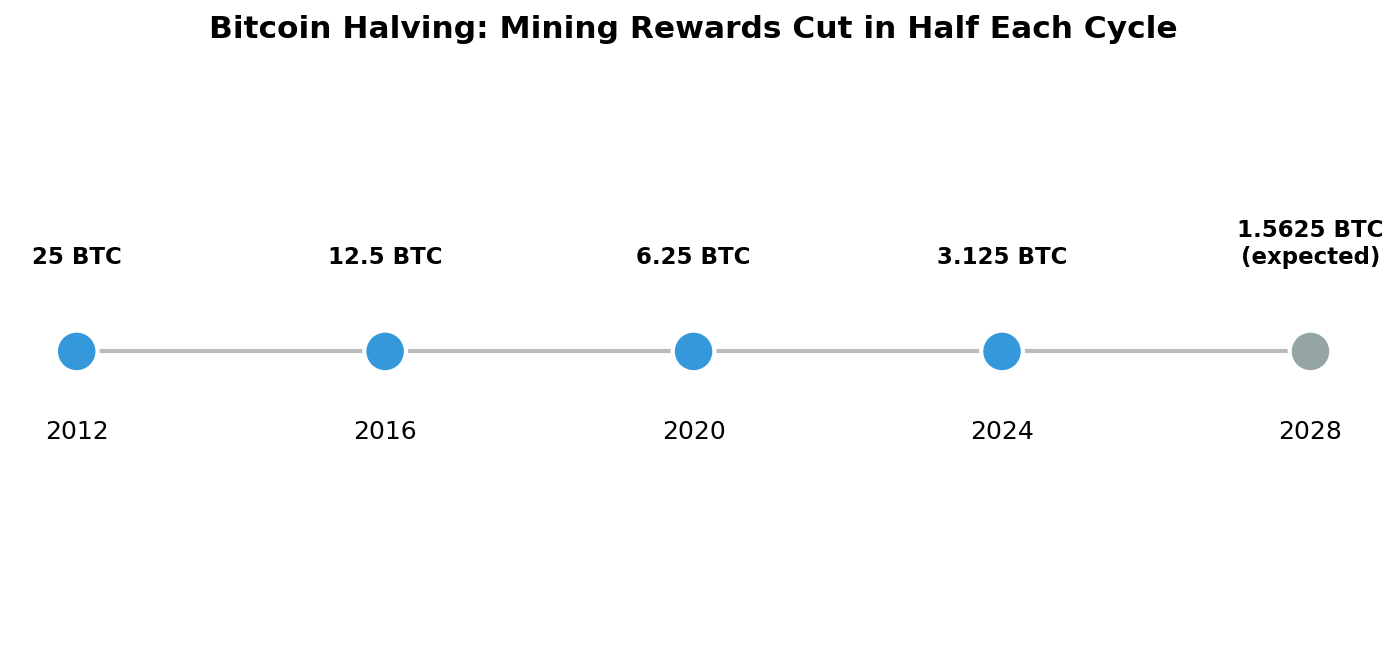
This shrinking supply is often cited as a long-term scarcity argument, but it's worth remembering that scarcity alone doesn't guarantee a rising price.
No conversation about crypto investing skips the word "volatility." Compared to stable assets like savings accounts or bonds, crypto prices can swing dramatically within a single day, often more sharply than stocks or gold.
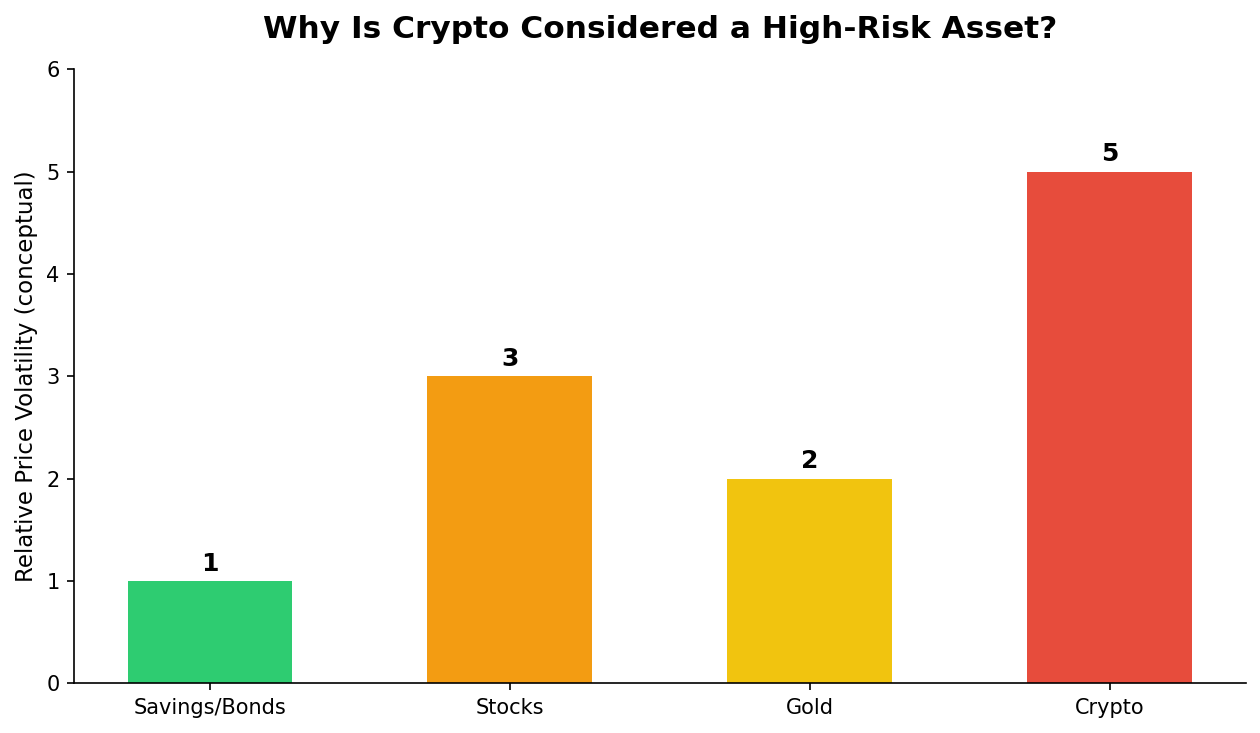
That's why crypto is generally classified as a high-risk asset. It's worth approaching with the possibility of losing your entire investment in mind, and only committing what you can genuinely afford to lose.
Security also matters, whether that's the wallet you store coins in or the exchange you trade on. Losses from hacks or lost private keys are reported regularly, so using a reputable exchange and keeping your keys and passwords secure is essential.
This post isn't investment advice recommending you buy or sell any specific coin — it's general information meant to help you understand the basics of crypto.
Summary
Cryptocurrency is a blockchain-based digital asset, and Bitcoin, altcoins, and stablecoins each behave differently. Understanding supply mechanics like halving is useful, but the more important takeaway is approaching crypto carefully given its high volatility and security risks.
#crypto #cryptocurrency #bitcoin #altcoin #stablecoin #blockchain #cryptoinvesting #bitcoinhalving #ethereum #digitalassets #investing101 #personalfinance #assetmanagement #cryptobasics #digitalcurrency #cryptomarket #riskmanagement #investingtips #cryptowallet #exchange #financeeducation #moneytips
'자산관리' 카테고리의 다른 글
| Asset Management :: Real Estate — Direct Ownership or REITs? (0) | 2026.07.11 |
|---|---|
| 자산관리 :: 부동산 투자, 직접 살까요 리츠로 간접투자할까요? (1) | 2026.07.11 |
| 자산관리 :: 코인 투자, 시작 전에 꼭 알아야 할 기본 개념 (0) | 2026.07.10 |
| Options 101 :: How Is an Option's Premium Actually Priced? (0) | 2026.07.09 |
| 자산관리 :: 옵션 프리미엄, 내재가치와 시간가치로 나눠보면? (0) | 2026.07.09 |