2026. 7. 21. 22:24ㆍ취미생활/골프

Hello everyone.
Today's post is about True Temper, one of the most influential shaft brands in golf history.
Most golfers pay attention to clubhead design or brand logos first, but the shaft is actually one of the biggest factors in how a club performs. The same clubhead can feel completely different depending on which shaft is attached, which is why tour pros are famously picky about shaft choice.
Have you ever wondered which shaft brand is inside your own irons? Chances are, if you've ever swung a set of steel-shafted irons, True Temper has been part of that story.
Origins: From Hickory to Steel
In golf's early history, shafts were mostly made from hickory wood. Hickory had decent flex characteristics, but because every piece of wood was slightly different, clubs made with hickory shafts could feel inconsistent even within the same brand and model.
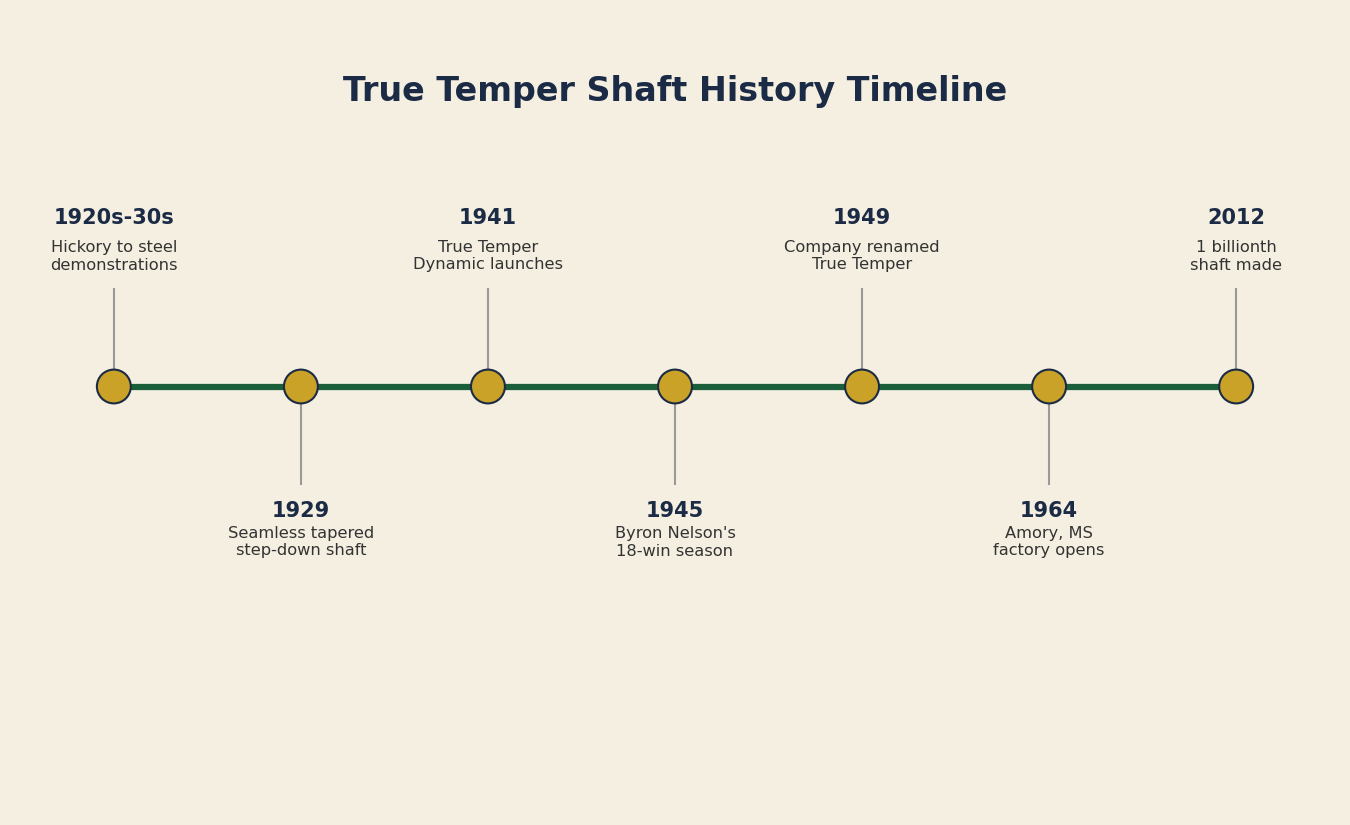
True Temper is widely credited with helping drive the shift from hickory to steel shafts during the 1920s and 1930s, reportedly demonstrating steel shaft performance directly at tournament events. Steel offered something wood never could: consistent quality from one shaft to the next.
In 1929, the company is said to have introduced one of the first seamless, tapered step-down shaft designs, a construction method that made flex and weight far more uniform across the shaft. That basic approach became a foundation for steel shaft manufacturing going forward.
By 1941, the original True Temper Dynamic steel shaft had launched, and in 1949 the company officially adopted the True Temper name, cementing the brand identity that golfers still recognize today.

Legendary Moments That Built the Brand
One of the most famous moments tied to True Temper is Byron Nelson's remarkable 1945 season, in which he won 18 tournaments, a record that still stands today. Nelson is reported to have played that historic season with True Temper shafts in his clubs.
That kind of tour validation helped establish True Temper's reputation as a shaft brand proven at the highest level of competition, and countless tour professionals have chosen True Temper shafts in the decades since.
Since 1964, True Temper has manufactured steel shafts out of its facility in Amory, Mississippi, and that production base is reported to still be in operation today. In 2012, the company marked the production of its one billionth golf shaft.
True Temper's Dynamic Gold series remains one of the most widely used iron shafts on tour, built with tight wall-thickness control and a distinctive heat-treatment process aimed at delivering consistent trajectory and feel.
Good to Know for Golfers
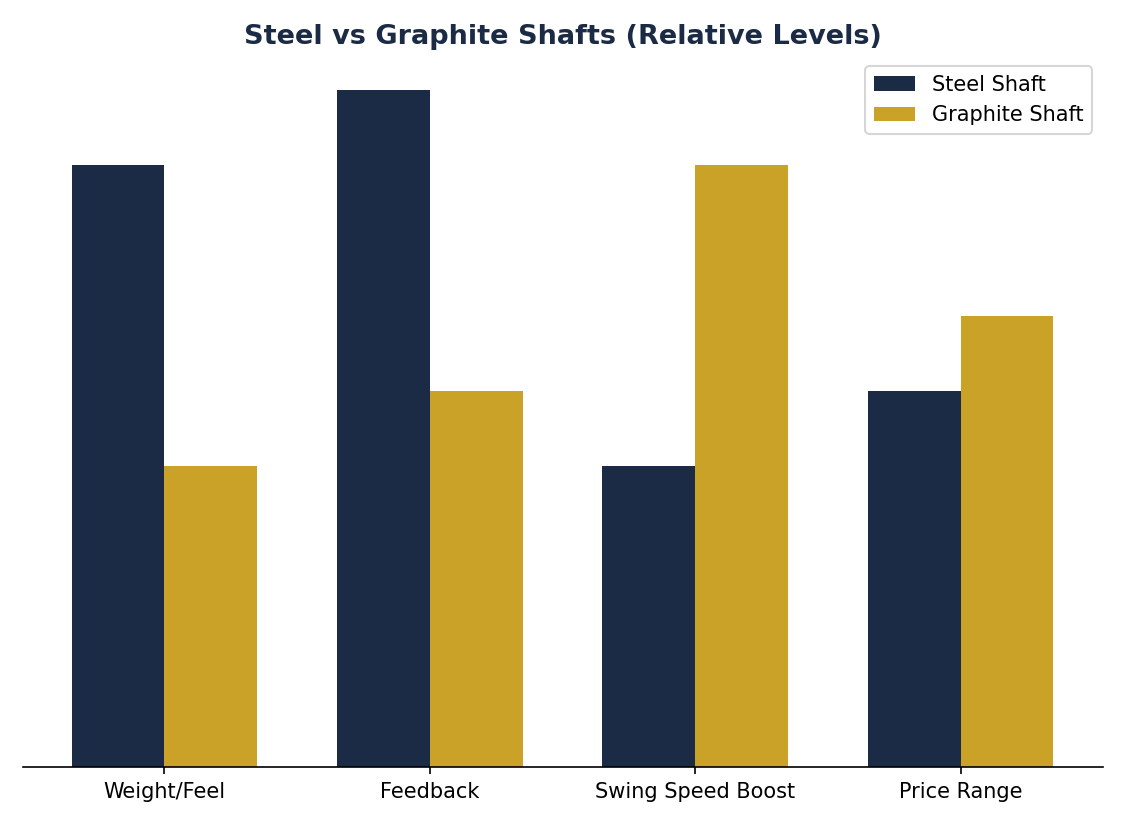
Shafts generally fall into two categories: steel and graphite. Steel shafts tend to be heavier with more precise feedback, which is why they're common in irons, while graphite shafts are lighter and help generate more clubhead speed, making them popular in drivers and woods.
Shafts are also labeled with flex ratings like R (Regular), S (Stiff), and X (Extra Stiff), and choosing the right one matters. A shaft that's too flexible for a fast swing can hurt accuracy, while one that's too stiff for a slower swing can cost distance.
Many fitting experts suggest that shaft fitting deserves at least as much attention as clubhead selection, especially for golfers building a new set. Simply swapping shafts on the same head can noticeably change both distance and accuracy.
A brand with as much history as True Temper comes with a lot of proven performance data, but the only way to know if a shaft truly fits your swing is to test it yourself, ideally at a proper fitting session with a few different options side by side.
'취미생활 > 골프' 카테고리의 다른 글
| Golf :: How Is Your Handicap Actually Calculated? A Look at the Handicap System (0) | 2026.07.23 |
|---|---|
| 골프 :: 내 핸디캡, 어떻게 계산되는 걸까? 핸디캡 시스템 경기 규칙 총정리 (0) | 2026.07.22 |
| 골프 :: 트루템퍼, 골프 샤프트를 나무에서 스틸로 바꾼 브랜드는? 샤프트 브랜드 역사 총정리 (0) | 2026.07.21 |
| Golf :: Golf Course Etiquette 101 — A Beginner's Guide to Playing Politely (0) | 2026.07.20 |
| 골프 :: 골프장 매너, 이것만 알면 골린이도 어렵지 않아요! 에티켓 가이드 (0) | 2026.07.20 |