2026. 7. 19. 20:53ㆍ자산관리

Hello everyone.
Today I want to talk about a shift that has been playing out in Korea's rental market: the gradual move away from jeonse, the country's unique lump-sum deposit lease, toward wolse, a more conventional monthly rent arrangement.
For decades, jeonse was the default way most Koreans rented housing. It let tenants avoid a monthly cash outflow entirely, as long as they could put down a large deposit upfront.
Lately, though, that balance has been changing quickly, especially in smaller apartments across Seoul and the greater metropolitan area. So what exactly is driving this shift, and what does it mean for renters?
Is the jeonse system, once such a fixture of Korean housing, really on its way out?
Origins: How Jeonse and Wolse Actually Work
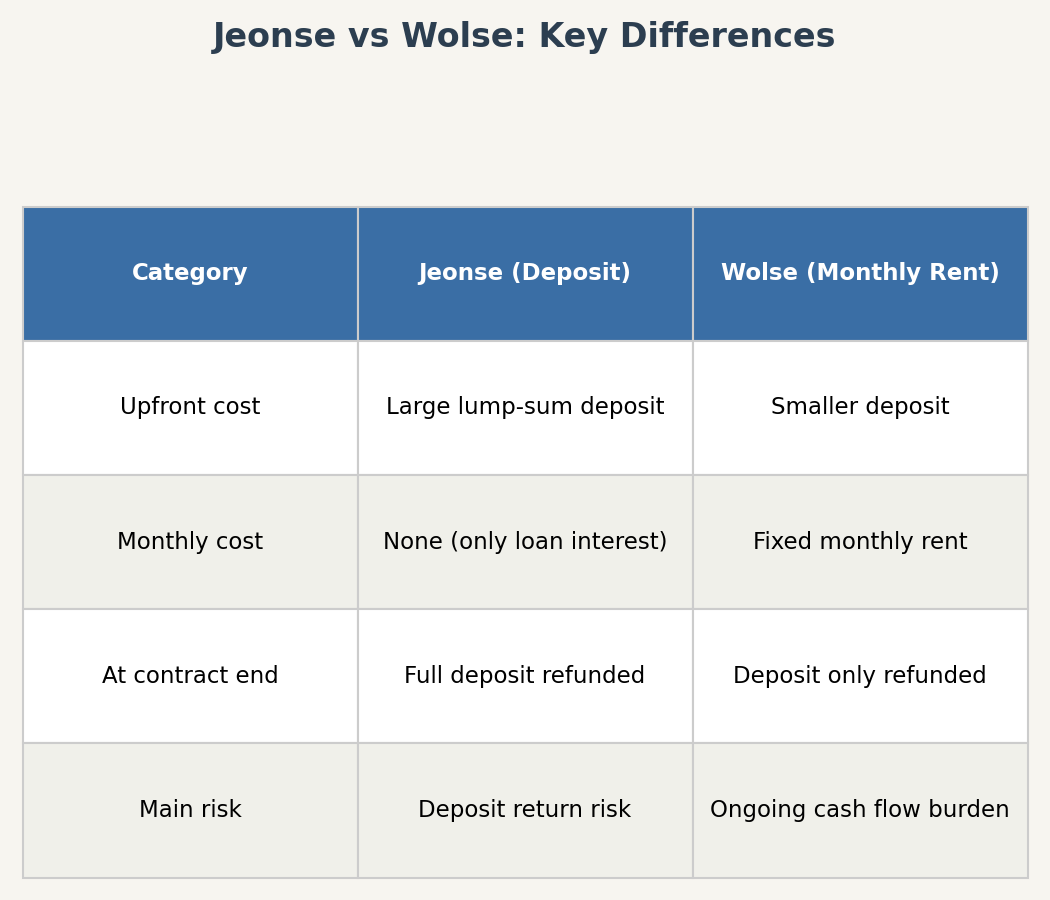
Under a jeonse lease, the tenant hands the landlord a large lump-sum deposit, often 50 to 80 percent of the property's market value, instead of paying monthly rent. At the end of the lease term, the landlord returns the full deposit.
Wolse works differently. Tenants pay a much smaller deposit up front, then a fixed amount every month for the duration of the lease. There's less capital tied up, but there's a recurring monthly cost.
Jeonse is widely described as a distinctly Korean rental practice that developed before mortgage lending was widely available. Landlords could put the deposit to work, whether investing it in another property or a business, while tenants effectively saved toward homeownership instead of paying rent that generated no return.
That balance has become harder to maintain in recent years. Fluctuating interest rates have made jeonse loans more or less attractive at different points, and landlords have grown more cautious after high-profile cases of tenants losing deposits when landlords couldn't repay them, a phenomenon commonly called "yeok-jeonse" or reverse jeonse risk.

Key Facts: Why More Renters Are Moving to Wolse
Recent reporting suggests that roughly six out of every ten lease contracts for small apartments in Seoul are now wolse arrangements, a notable reversal from just a few years ago when jeonse was still the majority option.
One major driver is a simple supply issue: the pool of available jeonse listings has been shrinking. As jeonse supply tightens, deposit amounts tend to climb, pushing renters who can't easily raise that much cash toward wolse instead.
Landlords have their own reasons for preferring wolse too. Rather than tying up a large deposit and hoping to generate returns elsewhere, many now prefer the predictability of steady monthly income.
Public housing agencies such as Korea Land and Housing Corporation (LH) have also been expanding programs like specialized purchased rental housing, an attempt to fill some of the gap left by a shrinking private jeonse market.
Whether this shift is a short-term response to current conditions or a lasting structural change is still an open question. The pace and scale likely vary quite a bit by region and housing type, so it's worth watching how the trend develops over time.
Good to Know: Tips Before You Sign a Lease
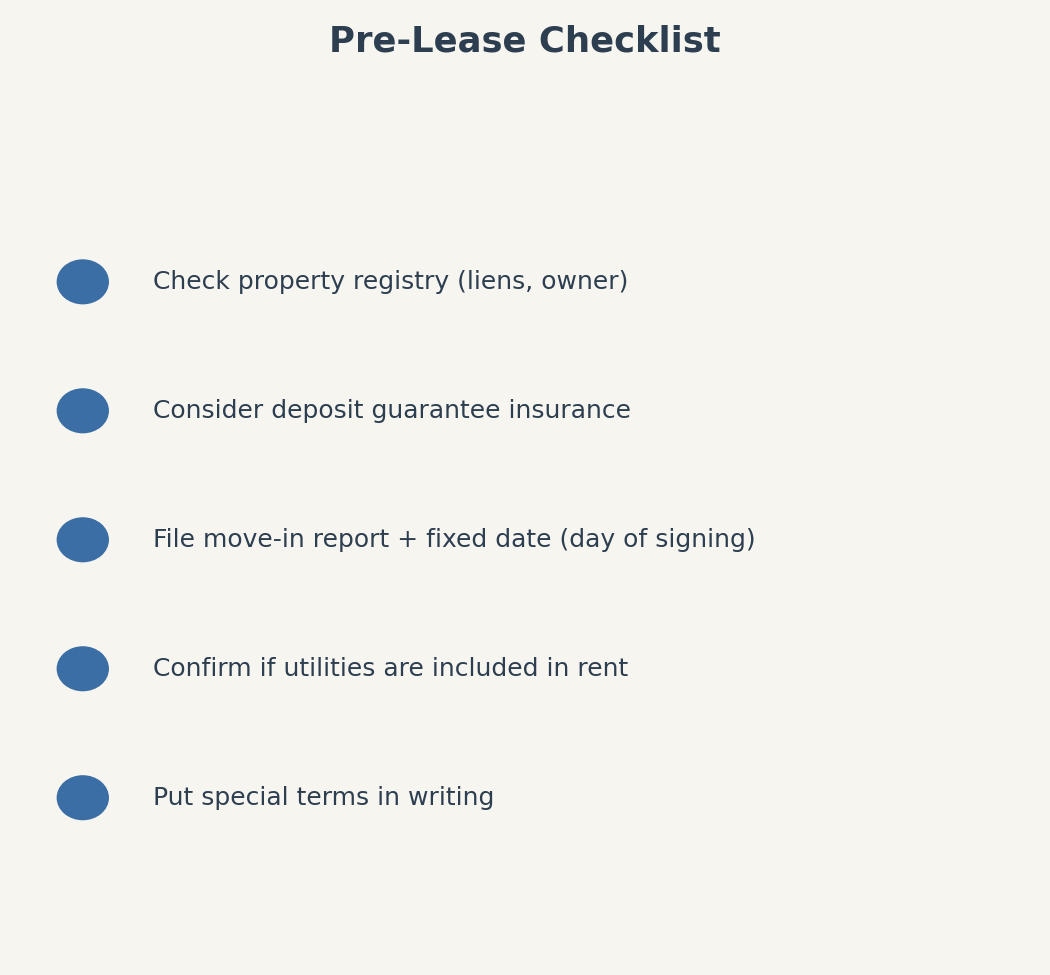
Whether you're signing a jeonse or wolse contract, always check the property registry (deungibudeungbon) first, to confirm who actually owns the unit and whether there are existing liens against it. It's worth checking again periodically after you move in as well.
If you're going the jeonse route, consider deposit guarantee insurance (jeonse bojeunggeum bohwan boheom). It protects you financially if the landlord is unable to return your deposit at the end of the lease.
Filing your move-in report and getting a fixed date stamp (hwakjeongilja) on the same day you sign is one of the simplest ways to protect your legal standing and priority claim on the deposit if something goes wrong later.
If you're signing a wolse lease, calculate the recurring monthly cost carefully in advance, and confirm whether utilities and maintenance fees are bundled into the rent or billed separately. Writing any special agreements directly into the contract can prevent disputes down the road.
'자산관리' 카테고리의 다른 글
| Real Estate :: How Does a Court Auction Actually Work? A Beginner's Guide to Property Auctions (0) | 2026.07.20 |
|---|---|
| 자산관리 :: 경매, 어떻게 시작해야 할까요? 부동산 경매 절차와 권리분석 총정리 (0) | 2026.07.20 |
| 부동산 :: 전세는 사라지고 월세만 남을까? 최근 임대차 시장 트렌드 총정리 (0) | 2026.07.19 |
| Asset Management :: What Is Layer 2? How It Makes Crypto Faster and Cheaper (1) | 2026.07.18 |
| 코인 :: 레이어2(Layer2)란 무엇인가? 코인이 더 빠르고 저렴해지는 원리 (0) | 2026.07.18 |