2026. 7. 17. 20:48ㆍ육아생활
Hello.
Today I'm writing about how children's height actually grows.
Is your child shorter than most of their classmates, and should that worry you?
Parenting comes with all sorts of small comparisons, and height is one of the most visible ones. Standing your child next to a classmate at pickup can suddenly make you wonder whether something's off.
The truth is that height isn't determined by genetics alone. Sleep, nutrition, and physical activity all play a real role too. In this post, we'll walk through how growth actually happens and what habits parents can realistically support at home.
Origins: Growth Plates and Growth Hormone
A child's height comes from growth plates, areas of cartilage located at the ends of the long bones. As long as these plates remain active, bones keep lengthening, and once they gradually fuse after puberty, height growth is understood to stop.
The hormone that drives this process is growth hormone, released from the pituitary gland at the base of the brain. It's secreted in small amounts throughout the day, but the largest share is released during deep sleep.
Roughly 70 to 80 percent of daily growth hormone is thought to be released during slow-wave sleep, the deepest stage of non-REM sleep. That's why the old advice "go to bed early to grow taller" isn't quite the full picture. What seems to matter more is how deep and sufficient the sleep is, not the exact bedtime.
That said, several studies still point to a spike in growth hormone release between roughly 10pm and 2am, so being in deep sleep during that window doesn't hurt. Missing it occasionally isn't something to panic over though, since consistency matters more than any single night.

Everyday Habits That Support Height Growth
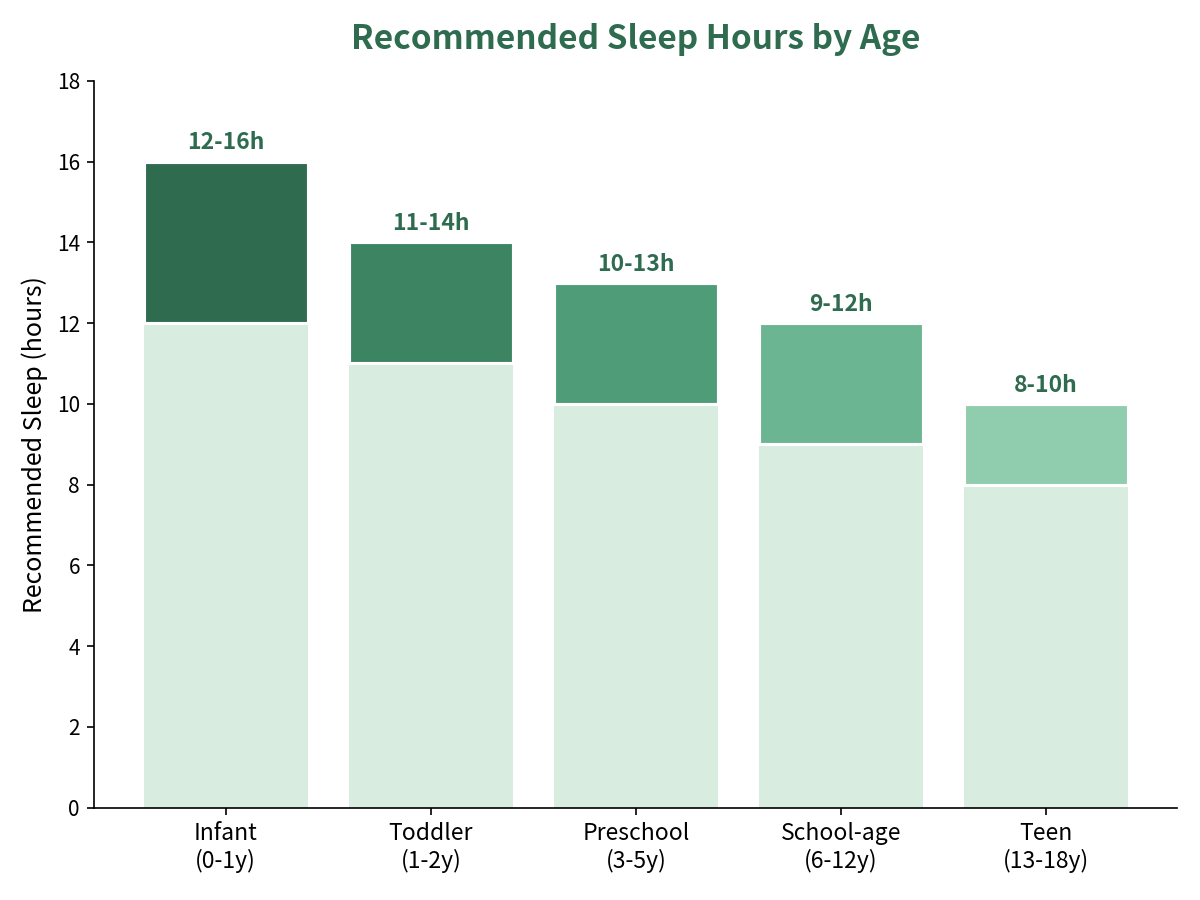
Given how central sleep is to this process, it's no surprise that recommended sleep hours are much higher for kids than adults. Toddlers need around 11 to 14 hours a day, and school-age children still need 9 to 12 hours.
Nutrition matters just as much. Bones need a steady supply of protein, calcium, and vitamin D to grow properly. For picky eaters, simply aiming for balance across meals can already make a meaningful difference.
Physical activity rounds out the picture. Activities that involve stretching and jumping, like jump rope, basketball, or swimming, are believed to help stimulate the growth plates. It's less about any single "magic" exercise and more about building a consistent habit of movement.
Stress management is an often-overlooked factor. Chronic stress can interfere with growth hormone secretion, so a stable, emotionally supportive environment can indirectly support physical growth as well.

When to See a Pediatrician
Most children grow at their own natural pace, but some fall noticeably behind their peers. In that case, it's worth consulting a pediatrician or pediatric endocrinologist rather than just worrying quietly.
Common signs that warrant a checkup include consistently falling below the 3rd percentile on growth charts, growing less than about 2 inches (5cm) a year after age three, or a sudden drop away from a child's established growth curve.
Puberty that starts noticeably earlier or later than average can also affect final height, so it's worth discussing alongside any growth concerns. Whether growth hormone therapy is appropriate is a decision that should always be made by a specialist, not guessed at home.
It's not a good idea to decide on growth hormone treatment based on information found online alone. The safest approach is to track your child's growth curve through regular checkups and consult a pediatrician promptly if anything looks off.