2026. 7. 13. 21:21ㆍ자산관리
Hello everyone.
Today's post is about futures trading.
What's actually the difference between buying a stock and trading a futures contract?
Most of us are familiar with buying and selling stocks, but futures work on a different logic entirely. In this post, we'll walk through the basics of futures contracts, and also look at a newer structure that's been making headlines: perpetual futures.
A futures contract is an agreement to buy or sell a specific asset at a predetermined price on a future date. They're traded on a wide range of underlying assets, from commodities like oil and gold to stock indices and interest rates.
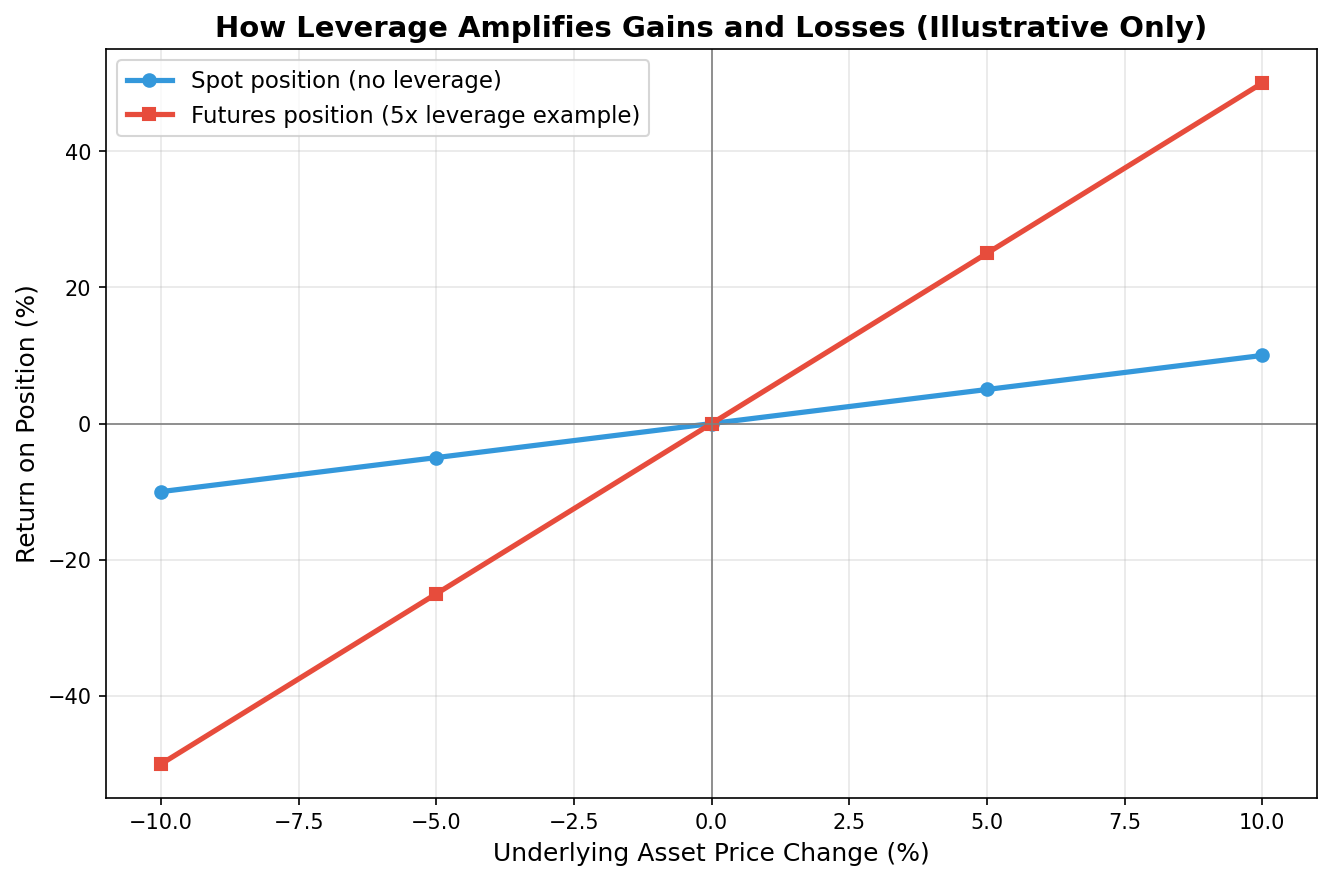
The defining feature of futures is margin. Instead of paying the full contract value upfront, traders only need to post a fraction of it as margin, which creates a leverage effect — controlling a large position with a relatively small amount of capital.

Leverage is often described as a double-edged sword, and for good reason. If the underlying asset moves in your favor, gains are amplified — but if it moves against you, losses are amplified just as much.
Traditional futures contracts have a fixed expiry date. When that date arrives, the contract is settled, either through physical delivery or a cash settlement. As expiry approaches, the futures price tends to converge toward the spot price.
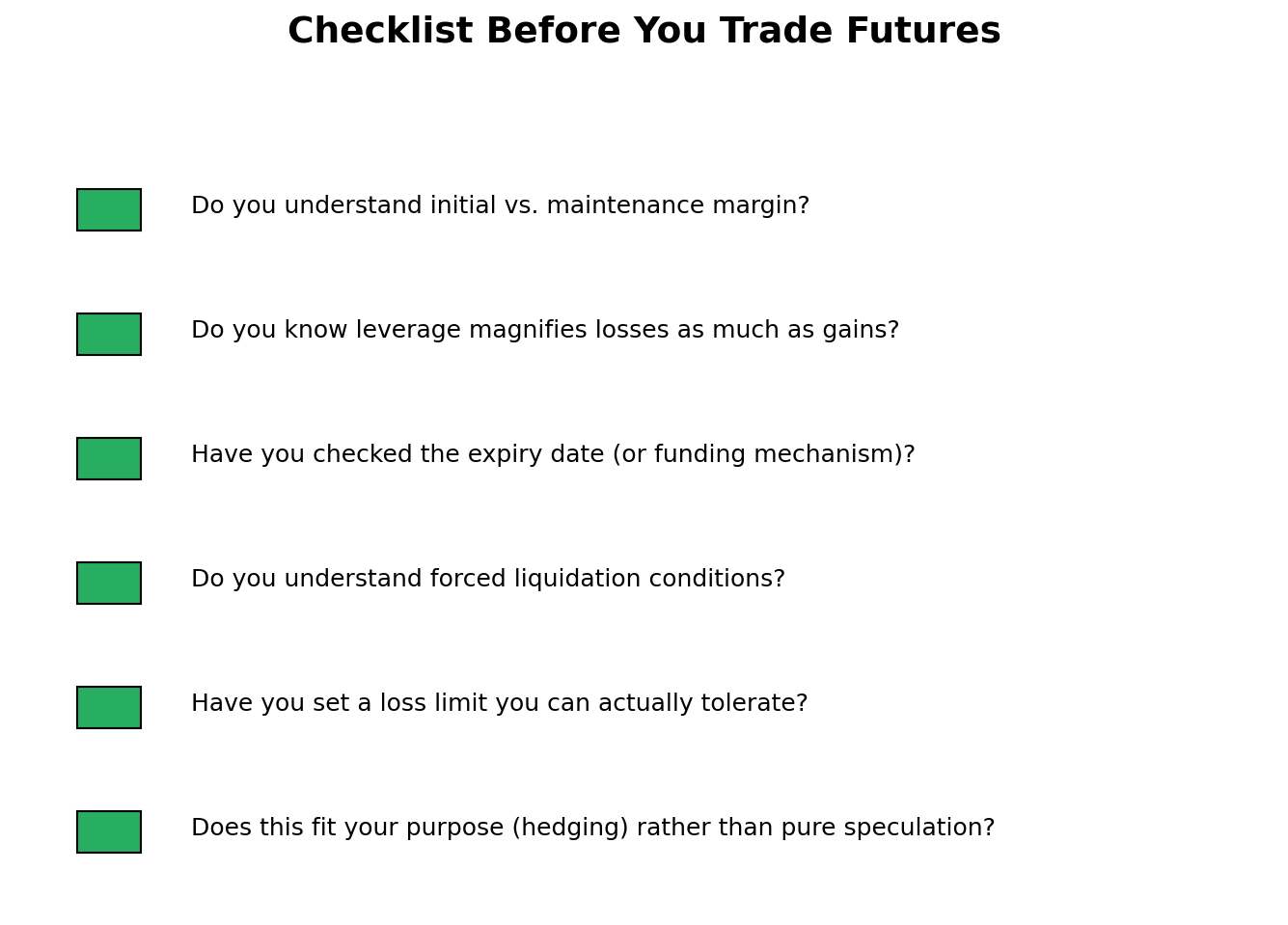
Futures also use daily mark-to-market settlement, meaning gains and losses are calculated at the end of every trading day. If your margin balance falls below the maintenance level, you'll need to add funds or your position may be liquidated automatically. This is a detail worth remembering.
Futures were originally designed as a hedging tool. Farmers and businesses used them to lock in prices ahead of time and manage the risk of future price swings. Today, they're also widely used by traders for speculative purposes.
More recently, a newer structure called perpetual futures has been drawing attention. As the name suggests, these are futures contracts with no expiry date at all — a format that first gained traction in crypto markets.
Instead of settling at expiry, perpetual futures use a mechanism called the funding rate to keep the contract price anchored to the spot price. Long and short position holders periodically exchange payments with each other, which helps narrow any price gap between the two.
In the U.S., a prediction market platform recently received regulatory approval to list crypto-linked perpetual futures contracts, a development that's reshaping the competitive landscape between newer entrants and established derivatives exchanges. Analysts note that the spread of expiry-free products could put pressure on the profitability of traditional exchanges, and regulatory discussions around this space are worth watching going forward.
Perpetual futures often come with even higher leverage than traditional futures, and since they trade 24 hours a day, they also tend to carry higher volatility — which means beginners should approach them with extra caution.
Final Thoughts
Futures trading lets you control a large position with relatively little capital thanks to leverage, but that same leverage magnifies losses just as easily as gains. Perpetual futures, in particular, trade around the clock with no expiry date, which means even higher volatility and risk. Rather than jumping in without a clear understanding, it's worth taking the time to learn how margin, leverage, and liquidation actually work before getting involved. This post is for general informational purposes only and is not investment advice.
#futurestrading #perpetualfutures #leverage #margintrading #hedging #speculation #derivatives #futuresmarket #assetmanagement #investing #financialeducation #commodityfutures #indexfutures #cryptofutures #fundingrate #liquidation #futuresexchange #investingbasics #riskmanagement #whatarefutures #tradingbasics
'자산관리' 카테고리의 다른 글
| Asset Management :: How Do Margin Calls Happen in Futures Trading? Leverage and Margin Explained (0) | 2026.07.14 |
|---|---|
| 자산관리 :: 선물 레버리지와 증거금, 마진콜은 어떻게 발생할까요? (1) | 2026.07.14 |
| 자산관리 :: 선물거래, 만기 없는 무기한 선물까지 등장했다는데 뭐가 다를까요? (1) | 2026.07.13 |
| Asset Management :: Why Do Rising Rates and Inflation Rattle the Stock Market? (0) | 2026.07.13 |
| 자산관리 :: 금리와 인플레이션이 오르면 주식시장은 왜 흔들릴까요? (0) | 2026.07.13 |