2026. 8. 23. 00:22ㆍ육아생활

Hi everyone.
Today's post is about something a lot of parents wonder about: how sleep and growth hormone actually affect a child's height.
Does putting your child to bed just a little earlier really make a difference in how tall they grow?
Genetics is still the single biggest factor in height, but sleep, nutrition, and daily habits are environmental factors that shouldn't be overlooked.
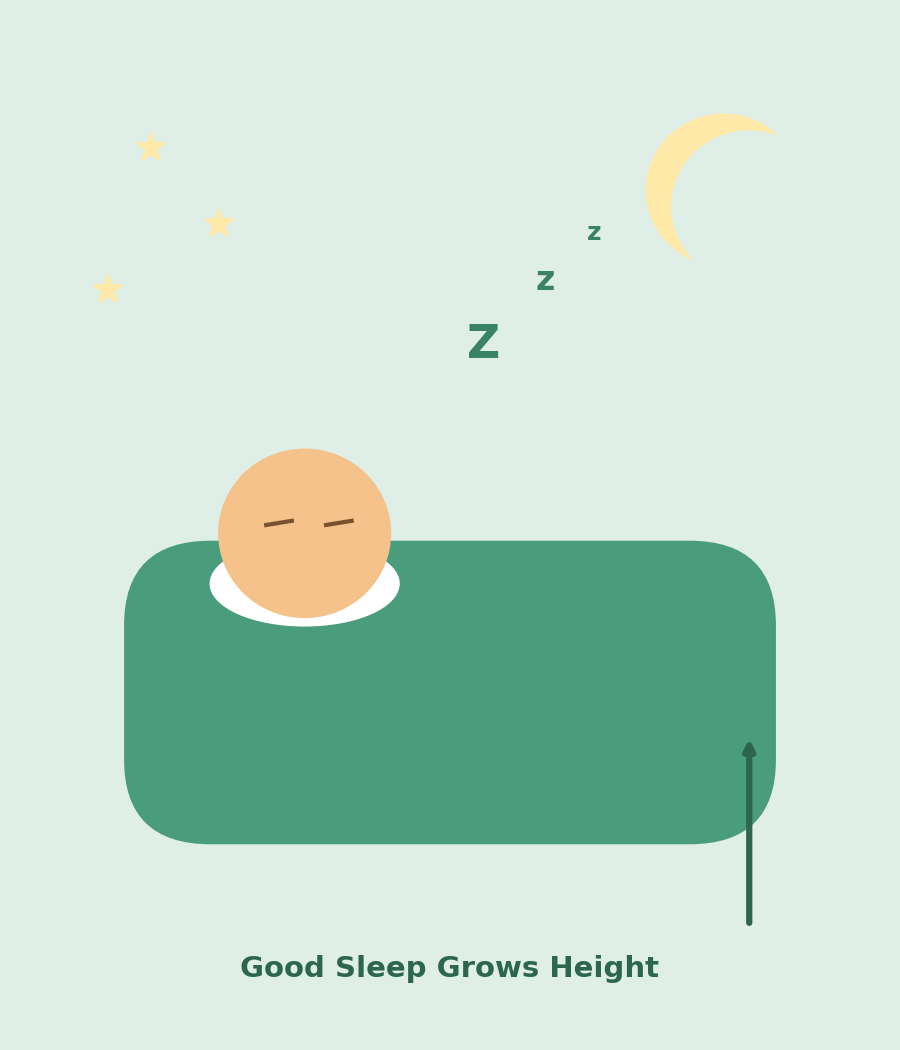
Growth hormone is released mainly while a child is asleep, which is why many experts say "how" a child sleeps can matter just as much as "how long."
Let's walk through the relationship between growth hormone and sleep, and the nutrition and habits that support healthy height growth.
**How Sleep and Growth Hormone Are Connected**
Growth hormone is released from the pituitary gland and plays a key role in stimulating bone and muscle growth.
According to multiple sources, growth hormone secretion is most active during sleep, and it particularly ramps up once a child enters deep sleep, also known as slow-wave sleep.
Growth hormone release tends to begin about an hour to an hour and a half after falling asleep, once deep sleep sets in, and a large portion of the day's total secretion is said to happen during this window.
You may have heard that "10pm to 2am is the golden window for growth hormone." This is better understood not as a fixed clock time, but as a reflection of when children are typically in deep sleep.
In the end, what matters more than the exact bedtime is making sure your child gets enough deep, uninterrupted sleep on a consistent basis.
**Nutrition and Habits That Support Height Growth**
Just as important as sleep is a well-balanced diet, since bones and muscles need the right building blocks to grow.
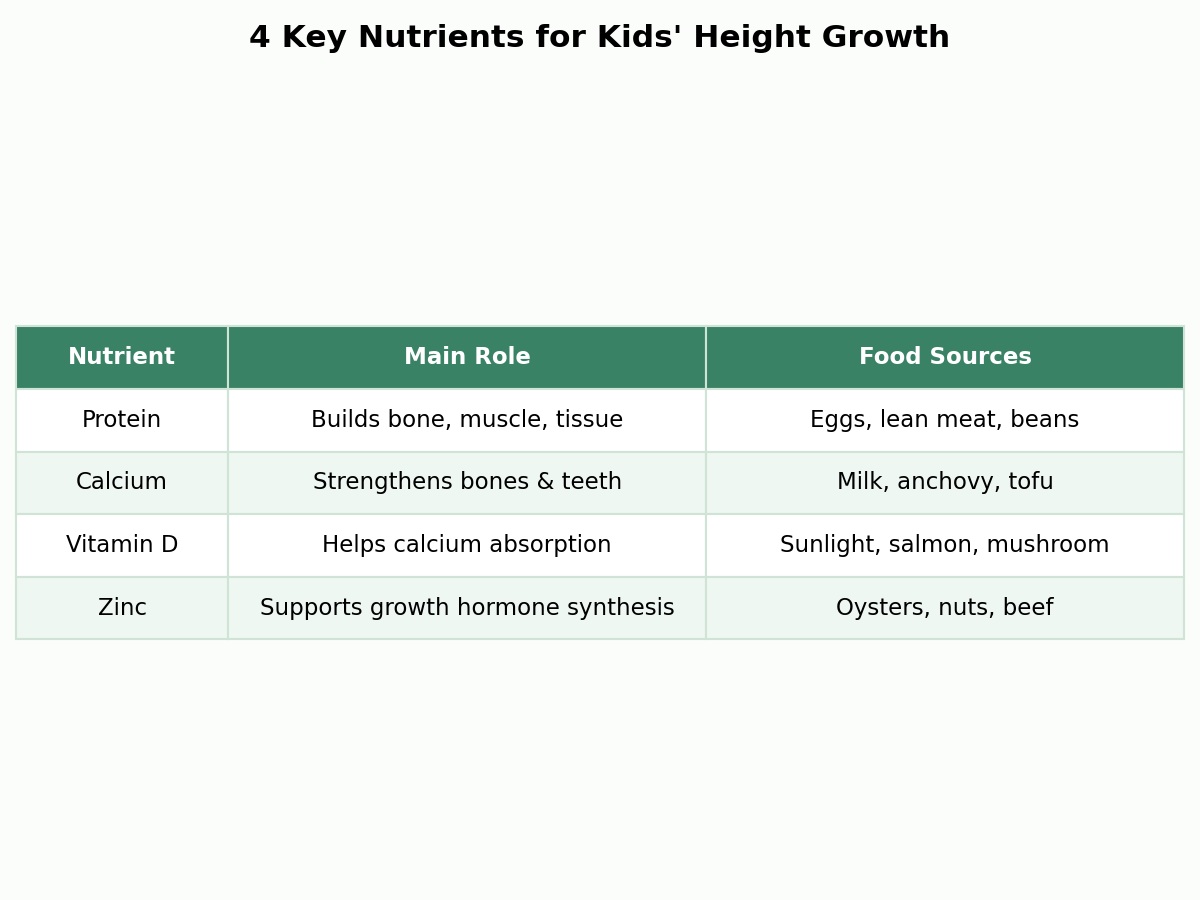
Protein is a core material for bones, muscles, and tissue, while calcium plays an essential role in strengthening bones and teeth.
Vitamin D helps the body absorb the calcium a child eats, and zinc is known to support growth hormone synthesis and cell division in the growth plates.
These nutrients are found in everyday foods like eggs, lean meat, milk, small dried fish, tofu, nuts, and fish, so eating a varied diet matters more than relying on a single "miracle food."
Exercise is another supportive factor. Activities that engage the whole body, like jump rope, basketball, and swimming, are known to improve circulation and stimulate the growth plates, so even 30 minutes a day of consistent movement can help.
**Good to Know**
Frequent instant food, sugary drinks, and snacks can crowd out the nutrients kids actually need, so it's worth keeping an eye on how often they show up in your child's diet.
Late-night screen time on phones or tablets is also known to reduce sleep quality, so it helps to put screens away at least an hour before bedtime.
If your child is noticeably shorter than peers or their growth seems to be slowing down, it's best to have them checked by a pediatrician rather than guessing on your own.
If you're considering height-growth supplements, talk to a doctor first instead of assuming a guaranteed effect. This post is for general information only and is not a substitute for medical advice.

**Final Thoughts**
Today we looked at how sleep and growth hormone are connected, along with the nutrition and habits that support healthy height growth. In the end, the basics still matter most: enough quality sleep, a balanced diet, and regular exercise.
Rather than chasing a special trick, sticking with these everyday habits consistently is probably the most reliable approach. If you have concerns about your child's growth, please consult a pediatrician for accurate guidance. That's all for today's post.
'육아생활' 카테고리의 다른 글
| Parenting :: Which Baby Carrier Should You Choose? Types and How to Wear Them Safely (0) | 2026.09.09 |
|---|---|
| 육아 :: 신생아 아기띠, 어떤 걸 골라야 할까요? 종류별 특징과 안전하게 착용하는 법 (0) | 2026.09.09 |
| 육아 :: 키 성장을 좌우하는 숙면과 성장호르몬, 어떻게 챙겨야 할까요? 키성장 총정리 (0) | 2026.08.23 |
| Parenting :: How Much Vitamin D Does Your Child Really Need? A Guide to Kids' Supplements (0) | 2026.08.20 |
| 육아 :: 우리 아이 비타민D, 얼마나 챙겨야 할까요? 영양제 총정리 (1) | 2026.08.20 |